This is default featured slide 1 title

Lorem ipsum dolor sit amet, consectetur adipisicing elit, sed do eiusmod tempor incididunt ut labore et dolore magna aliqua. Ut enim ad minim veniam. blogger theme by BTemplates4u.com.

This is default featured slide 2 title

Lorem ipsum dolor sit amet, consectetur adipisicing elit, sed do eiusmod tempor incididunt ut labore et dolore magna aliqua. Ut enim ad minim veniam. blogger theme by BTemplates4u.com.

This is default featured slide 3 title

Lorem ipsum dolor sit amet, consectetur adipisicing elit, sed do eiusmod tempor incididunt ut labore et dolore magna aliqua. Ut enim ad minim veniam. blogger theme by BTemplates4u.com.

This is default featured slide 4 title

Lorem ipsum dolor sit amet, consectetur adipisicing elit, sed do eiusmod tempor incididunt ut labore et dolore magna aliqua. Ut enim ad minim veniam. blogger theme by BTemplates4u.com.

This is default featured slide 5 title

Lorem ipsum dolor sit amet, consectetur adipisicing elit, sed do eiusmod tempor incididunt ut labore et dolore magna aliqua. Ut enim ad minim veniam. blogger theme by BTemplates4u.com.

Showing posts with label Survival Skills amp; Emergency Preparedness. Show all posts

Friday, May 31, 2013

34 Ways to Use Lemon Essential Oil: A Favorite In Our Home

I have been on the theme of "Lemon" here and we praise God for giving us this amazing fruit. This oil is one of my favorite because it is so versatile.  There are so many uses for it. Here are just a few ways you can use the essential oil as found in the Young Living Circle Blog.


Lemon oil can be used for everything from aromatherapy to flavoring water, to making your own uplifting bath salts to cleaning produce. Lemon oil has been widely used in skin care to cleanse skin and reduce wrinkles. It promotes clarity of thought and purpose, as well as health, healing, physical energy, and purification. Its fragrance is invigorating, enhancing, and warming. Lemon (Citrus limon) essential oil has antiseptic-like properties and contains compounds that have been studied for their effects on immune function. Lemon essential oil is cold-pressed from the rind.Lemon-Oil-12A 1995 Mie University study found that citrus fragrances boosted immunity, induced relaxation, and reduced depression.

Medical Properties of Lemon Essential Oil: Antitumoral, antiseptic, improves microcirculation, and immune stimulant (increases white blood cells), improves memory, relaxation. Rich in limonene, which has been extensively studied for its ability to combat tumor growth in over 50 clinical studies.

Jean Valnet MD estimated that it takes 3,000 lemons to produce one kilo of lemon essential oil – use it sparingly when flavoring beverages or foods. In his book, “The Practice of Aromatherapy”, Valnet wrote that lemon is a tonic for supporting the nervous and sympathetic nervous system.

University researchers in Japan found that diffusing certain aromas in an office environment dramatically improved mental accuracy and concentration. Diffused Lemon oil resulted in 54 percent fewer errors! Diffuse for 10 minutes every hour. When aromas were diffused during test taking, scores increased by as much as 50 percent.

34 Ways To Use Lemon Essential Oil**


  1. To clean non-carpeted floors, add 1/4 cup of white vinegar to a bucket of water. Then add 5 – 10 drops of lemon, pine, or spruce essential oil. If the floor is especially dirty, add several drops of dish washing soap. This will clean even the dirtiest floor.

  2. To make a carpet freshener, add 16 – 20 drops of essential oils to 1 cup of baking soda or borax powder. Mix ingredients together well and place in a covered container overnight so that the essential oil can be absorbed. Sprinkle over carpet then vacuum the powder up.

  3. You may also put 3-7 drops of Lemon essential oil on a cotton ball and place it into a vacuum bag – doing this scents the air while vacuuming. If your vacuum collects the dirt into water, simply add a few drops into the water reservoir before vacuuming. This refreshes both the carpet and acts as an air freshener.

  4. Some essential oils can act as gentle stimulants to the limbic system of the brain by their scent, increasing alertness and concentration enhancing the capacity for learning, improving memory, and assisting many other cognitive functions. A wide range of essential oils offer these benefits, such as: Lemon, Peppermint, Rosemary and Melissa. To help increase these functions simply inhale the chosen essential oil directly from the bottle or put a drop on a tissue and keep in your pocket for use throughout the day.

  5. Use 1–2 drops to remove gum, oil, grease, grease spots, glue and adhesives, and crayon from most surfaces. Tip: try a test area before to make sure you won’t ruin any finishes.

  6. Substitute lemon oil for lemon juice or lemon seasonings to flavor seafood, vegetables, beverages, and desserts. To use Lemon oil in place of the zest of “one” lemon – use 8 to 14 drops of Young Living Lemon essential oil. More on Cooking with Essential Oils.

  7. Combine 2–3 drops with water in a 4oz. spray bottle filled with water to help cleanse and sanitize kitchen and bathroom surfaces.

  8. Soothe or prevent corns, callous, or bunions by rubbing 1-2 drops of Lemon oil on the affected area, morning and evening.*

  9. Fill a bowl with cold water, add 2–3 drops of Lemon oil, and drench fruit and vegetables in the lemon water to extend the shelf life of fresh produce.

  10. Add a drop to your dishwasher before the wash cycle for spot-free dishes.

  11. Lemon has antiseptic-like properties and contains compounds that have been studied for their effects on immune function. According Jean Valnet, M.D., the vaporized [diffused] essence of lemon can kill meningococcus bacteria in 15 minutes, typhoid bacilli in one hour, Staphylococcus aureus in two hours, and Pneumococcus bacteria within three hours. Even a 0.2% solution of Lemon oil can kill diphtheria bacteria in 20 minutes and inactivate tuberculosis bacteria. More on diffusers and diffusing.

  12. Lemon has been shown to have antidepressant effects in research done by Komori, et al.,1995. Diffuse or inhale Lemon oil to receive the benefits of aromatherapy.

  13. Lemon oil may help brighten a pale, dull complexion by removing the dead skin cells. Simply mix a drop with your cleanser to help promote healthier skin tone.

  14. Lemon oil can serve as an effective insect repellent. See recipe for making your own beeswax mosquito candle.

  15. Rub a drop of Lemon oil on a wart morning and night, may help it to disappear.*

  16. Rub 1-3 drops of Lemon oil to clean a butcher’s block or other cutting surfaces to disinfect those surfaces.

  17. Add one teaspoon of lemon essential oil to one-cup mineral oil for an effective furniture polish.

  18. Homemade lemonade, in a blender mix 2 drops of Lemon oil, 2 tablespoons of honey and two cups of pure water. Adjust the amount of each ingredient to suit your own taste.**

  19. Put a drop of Lemon oil on bleeding gum’s caused by gingivitis or tooth extraction to help with healing and disinfecting.

  20. Rub 4-6 drops of Lemon oil with 1 teaspoon of V-6 Massage Oil on cellulite, may improve circulation and help eliminate waste from the cells.* Read Lymph, Liver & Cellulite Tips and Recipes.

  21. Rub 4-6 drops of Lemon oil with 1 teaspoon of V-6 Massage Oil on varicose veins, may improve circulation and relieve pressure on the veins.*

  22. Some find lemon oil to help remove warts. Rub a drop of Lemon oil on a wart morning and night, may help it to disappear.* More on Warts and Testimonials.

  23. Put 10-15 drops of Lemon oil in each gallon of carpet cleaning solution to help pull out stains and brighten the rug. This also leaves a fresh smell in the room.

  24. Diffuse Lemon essential oil to freshen the air in your home or office.

  25. Add 1-2 drops Young Living Lemon oil to a glass of water, tastes yummy, no calories, and alkalizes the water. Tip: only use a glass glass as Lemon oil WILL dissolve items made from petrochemicals and styrofoam.**

  26. Soak kitchen dishcloth overnight in a bowl of water with a drop of Lemon oil to disinfect and kill germs.

  27. Rub a drop of Lemon oil on your hands after using a public bathroom to sanitize hands.*

  28. Use a paper towel soaked with several drops of Lemon oil to sanitize bathroom fixtures.

  29. Place a drop of Lemon oil on cold sores, herpes or other mouth ulcers to lessen pain, may aid in healing.*

  30. Rub two drops of Lemon oil topically, may clear athlete’s foot.* More on Athlete’s Foot and Essential Oils.

  31. Heartburn is a burning pain felt behind the breastbone. It is most often the result of acid reflux, that is, when stomach acid rises up the esophagus where it irritates the lining. Lemon essential oil (which comes from the rind, not the pulp) is one of the best remedies for heartburn, as it causes the stomach to stop excreting digestive acids. Simply add a drop or two of Lemon oil to a small glass of water and drink.** More on AlkaLime, pH and Heartburn.

  32. Relaxing & Rejuvenating Aromatherapy Bath Salt Recipe: 1 drop Grapefruit oil, 1 drop Lemon oil, 1 drop Orange oil, 1 drop Patchouli oil, 3 drops Ylang Ylang or Geranium oil, 1 cup Epsom Salts or Sea Salt. Add to running bath water. Soak for 20 minutes.

  33. NingXia Red Electrolyte Drink Recipe: Combine 2 oz. Ningxia Red?,16 oz. purified water?, 20 drops YL Mineral Essence?, 1 drop YL Lemon oil?, 1 drop YL Peppermint oil?, 1 teaspoon YL Blue Agave. Mix ingredients together in a glass bottle (I like to re-use my empty NingXia Red bottles to keep my water and mixes in, they’re nice sturdy bottles). You can make a more watered down version for the kids. More on NingXia Red and Electrolyte Drinks.

  34. Refreshing Bacteria Killing Spray: You’ll need – 32 oz. spray bottle, 8 drops Spearmint oil, 8 drops Lemon oil, 6 drops Lavender oil, 6 drops Thyme oil, 6 drops Rosemary oil, 4 drops Eucalyptus globulus, and water. Fill spray bottle 7/8 of the way with water, add your Young Living essential oils. Shake the mixture well and periodically during use. This mixture smells as terrific as it is powerful at killing germs.


* CAUTION: All citrus essential oils can cause photo-sensitivity when applied topically to skin that will be exposed to direct sunlight. Allow 24 hours for before exposing skin to direct sun.


Bulk organic herbs, spices and essential oils. Sin

Wednesday, May 22, 2013

25 Uses For Lemon Peels And Homemade Lemon Vinegar

We made this fabulous orange vinegar for cleaning, disinfectant and spray.  We never have chemical loaded cleaners because they make  you sick.  We liked it a lot so we made lemon too.  This is a great way to clean our house naturally.  We use it to mop our floors, clean our table, counters, bathroom, stove, everywhere.  Dad doesn't like the strong vinegar smell, so with this lemon or orange vinegar you can't smell the strong vinegar anymore.  It is still there but much pleasant.  Making it is easy too.

We also found in our pinterest 25 uses for lemon peels.


imageAll-Purpose Lemon Vinegar Cleaner:

  • Fill container of your choice with cut up lemon peels.

  • Add vinegar to cover the peels. Seal with tight-fitting lid.

  • Put it away and forget about it for two weeks.

  • After two weeks, strain the lemon peels from the vinegar then add water. I used on a 50/50 mix of water and lemon vinegar.


HERE ARE 25 MORE THINGS TO DO WITH LEMON PEELS:


as seen in domesticdiy.com/home/25-amazing-uses-for-lemon-peels/

Skin Lightener/Brightener

Lemon is a natural skin lightener because of the citric acid in them which is a bleaching agent. Apply leftover lemon peels to your hands, elbows and heels to refresh and lighten the skin and tighten pores.


Garbage Disposal Deodorizer
Lemon (or orange) peels tossed regularly into the garbage disposal will keep the garbage disposal smelling fresh.

Simmering Stove Top Scents
Add lemon rinds to simmering water along with cloves, cinnamon sticks, and orange peels to make a delightful aroma AND humidify the air.


Ant-Proof Your Kitchen
Scatter small slices of lemon peel along thresholds, windowsills, around door entrances, and near any cracks or holes where ants or pests may be entering. Ants do not like lemon and will not enter your home. Lemons are also effective against roaches and fleas.


Coffee Cup Stain Remover
Put a section of lemon peel into a stained coffee mug and add water. Let it sit for several hours, then wipe with a cloth. Stains should disappear.

Refrigerator Freshness
Cut lemon in half and let it absorb fridge smells.

Tea Kettle/Coffee Pot Cleaner
For mineral deposit build up in your tea kettle, fill the kettle with water, add a handful of thin slices of lemon peel and bring to a boil. Turn off heat and let sit for an hour, drain, and rinse well. For coffee pots, add ice, salt and lemon rinds to the empty pot; swish and swirl for a minute or two, dump, and rinse.


Microwave Cleaner
Add lemon rinds to a microwave-safe bowl filled halfway with water. Cook on high for 5 minutes, allowing the water to boil and the steam to condense inside. Carefully remove the hot bowl and wipe away the mess with a damp towel.

Chrome Polish
Cut through mineral deposits on chrome faucets and other tarnished chrome by rubbing with a squeezed lemon half, rinsing, and lightly buffing with a soft cloth.

Copper, Brass, & Stainless Steel Polish
Brighten copper, brass, or stainless steel by dipping a juiced lemon half in salt (you also use baking soda or cream of tartar for the salt) and rubbing on the affected area. Leave on for 5 minutes. Then rinse in warm water and polish dry.


Stove Top Humidifier
If your home suffers from dry heat in the winter, put lemon peels in a pot of water and simmer on the lowest stove-top setting to humidify and scent the air.

Cutting Board Refesher
The antibacterial properties of lemons make them a good choice for refreshing cutting boards. After disinfecting give the surface a rub with a halved lemon, let sit for a few minutes, and rinse.

Brown Sugar Keeper
Add lemon peel (with pulp removed) to brown sugar to help keep it moist and easy to use.


Lemon Zest
Zest is simply grated peel, and it can be used fresh, dried, or frozen. If you don’t have a zester, use the smallest size of a box grater. To dry zest, spread it on a towel and leave out until dried, then store in a jar. To freeze, use a freezer-safe container. Use zest in salads, marinades, baked goods, grain dishes, etc.


Lemon Twists
Use a vegetable peeler or a knife to cut the peel into long strips, cutting away the white pith which is bitter. These can also be frozen in a freezer-safe container or bag. Great in cocktails, sparkling water, and tap water.


Lemon Extract Powder
Using the zest or twists from above, dry the strips skin-side down on a plate about 3 or 4 days. Put in a blender (or spice grinder) and pulverize into a powder. Use the powdered peel in place of extract or zest in recipes.

Lemon Sugar
Add lemon extract powder (see above) to sugar, or use fresh twists, put them in a jar with sugar and let them infuse the sugar.


Lemon Pepper
Mix lemon extract powder (see above) with freshly cracked pepper.

Candied lemon peel
Candied peels can be eaten plain, or dipped in melted chocolate, used in cake, cookie, candy, or bread recipes.


Lemon Sugar Scrub
Mix 1/2 cup sugar with finely chopped lemon peel and enough olive oil to make a paste. Wet your body in the shower, turn off the water and massage sugar mix all over your skin, rinse. Feel the softness!


Nail Whitener
Whiten fingernails by rubbing with a lemon wedge.

Travel Sickness Cure
Suck on a slice of lemon to help you stop feeling nauseous.


Grater Cleaner
Remove dried food from your grater by rubbing with the pulp side of a cut lemon.

Firelighters
Bake discarded orange or lemon peels until they darken. These create natural, fragrant firelighters.

Trash Can Deodorizer
Throw a few lemon peels in the bottom of the can from time to time to keep it smelling fresh.

Remember…..When Life Gives You Lemons…..Don’t Throw Away The Peels! 


What do you use Lemon Peels for?


Homemade Stain Remover and Laundry Detergent and Save Money

I have been using this detergent soap for more than five years now and really like it.  Now I am using my own homemade Oxiclean, clothes stain remover.


oxi clean


The recipe for the Oxi Clean Stain Remover is:

  • 1 cup hot water (or I just soak the whites in the washing machine with the other 2 ingredients)

  • 1/2 cup hydrogen peroxide

  • 1/2 cup Washing Soda (you could use baking soda but it's not exactly the same)


This recipe will work best as you are doing laundry.  I really don't use it all the time.  Maybe once every other month when my kids clothes really need it.

1.  Put your whites load in with the hot water setting.

2. Mix -extremely well--1/2 cup of hydrogen peroxide and 1/2 cup washing soda.

3.  Pour mixture in the load and leave the washer lid open so the clothes would soak.

4.  After a couple hours, finish the wash.

Next time, I will try it without the soaking time and see the difference.  If you don't have a top loading machine, use a bucket to soak the clothes before washing them.

Laundry Soap Recipe

This is very easy, inexpensive and natural ingredients that won't pollute the environment or you and your family and home.

I make 2.5 gallons at a time because that is the container I have from my last purchase of detergent 6 years ago.  The measurements for 2.5 gallons are:

  • Bar of any kind of regular size soap or half a bar of Zote laundry soap (You can easily find these at the mexican stores)

  •  1/2 cup borax

  • 1/2 cup washing soda

  • hot water

  • essential oil drops (optional, my favorite is lavender)

  • 1/2 up baking soda (optional, I don't add it, but others do)


Boil water in a big pot (1-2 gal).  Cut the soap into small pieces, the smaller the faster it will dissolve in the hot water.  Add it to the pot and let it dissolve.  After soap is dissolved, add the borax and washing soda and stir until it thickens a little, 2-5 min.   Pour hot mixture into the container and add hot water from the sink.  Let it sit overnight.  The next day, just give it a mix.  Use 1/2 cup-2/3 cup per load.  I never measure it, I think I use 1/2 - 1 cup per regular load.

There you have it.

What recipe of homemade laundry soap and oxiclean do you use?  I would like to try others too.


Wednesday, May 15, 2013

Emergency Preparedness: Water Purification

When it comes to planning Emergency situations, water is at the top of our list.  Where do I get water from when I ran out of clean water?  How do I haul all that water?  Where and how do I store water?  How much?  When?

I have searched for some possible solutions considering the crisis of the emergency.  If we have to evacuate, our 5 gallon jugs that we have stored would not go with us.  I would most likely grab my baby to run than a 5 gallon jug of water.  If it is not an evacuation emergency but instead we have a shortage of water, then the options are different.  Also, we are preparing for a nuclear contamination in our water, so I had researched some good options that are of course cost effective.

Now we are looking at how third world country people live.

Using Gravity Water Filter in India


For evacuation emergencies:

31k3elX+yrL

1.  We have in our back pack that is ready to grab and go at any time.  This is assuming there is no water shortage just contamination or water from a river or creek.

Seychelle Water Straw Radiological Nuclear Radiation Water Filter 25 Gal, that Removes 100% of Major Nuclear Contaminants from Drinking Water.  They also have water bottles and pitchers.  We also have the pitcher to also grab and go.  See other water purification products here

2.  If the situation is no water and dirty water, then these satches will come in handy.

3.  Because of shortage of water, I recommend mineral drops and alkaline drops to really hydrate the body with even little water.

4. Iodine tablets or liquid iodine can purify water.  These have expiration dates.  There are also iodine crystals that have an indefinite shelf life.


For Home water purification emergency:

1. We have two options right now: The gravity ceramic filtration system and the Seychelle pitcher or the britta filter pitcher.  I prefer the seychelle brand because it filters nuclear contaminants.  The Gravity ceramic filter is great because it is least expensive and doesn't require electricity and it filters out 100% of Giardia, E. Coli, and many more harmful substances.

Low Cost Gravity Water Filter


2.  Boil or pasteurize your water.  Boiling water kills all the pathogens (germs in the water.  You can also use a solar oven or rocks to boil water.stones2and learn how here. Fuel will be too precious to burn it to purify water.

3.  Chlorine: For less than $20 you can store a year’s supply of chlorine that will purify your water. But you MUST use caution when you’re storing and using it.  That is why I don't like this option, but I have a quart bottle hidden somewhere, if worse comes to worse, this is my last resort.

For Water Shortage Emergency:

1.  We have 5 gallon jugs filled with water.  But the question is for how long will we need water?

2. Identify a running river, or creek and use the Gravity filter to filter the water.


What are your water purification / storage plan for emergencies?  I would like to hear more ideas.


Friday, May 10, 2013

Homemade Cough / Cold Remedies For Children

A mother is many things.  Among one of the most important is a nurse.  Sicknesses are inevitable with children.  I am thankful for the opportunity to nurse our children to health.  They need extra doses of love and tender care that only a mother's touch can give.  My children want me close by when they are sick.  They feel vulnerable and need the reassurance that everything is going to be fine.

I will be sharing various quick, easy remedies I have used with my children.  Here is one I use for cough and colds.

You will need:

1 Cup raw honey (local honey is best)

1 cup lemon juice

1 purple onion

1 head of garlic (not one clove)

2 purple radishes (optional)

Instructions:image

Blend all together in a blender.  Store in a glass container in the refrigerator.  Administer one spoonful 3-4 times a day for at least 3 days.   Depending on the coughing, you can give it more frequent.

This remedy anti viral, anti bacterial and boosts the immune system.  As a matter of fact, it is good to always take it, even if they are not sick.  Try it, it is not bad, my children like it!

IMG_7320

  • In addition to this cough syrup, I give them our homemade Elderberry Tincture.

  • If I see an infection, like green mucus coming out, I add a homemade echinacea goldenseal tincture formula.

  • I sprinkle kelp (children's pepper as we call it) and powdered rosehips (children's cayenne) on their meals for vitamin C.

  • Chicken soup, bone broths are excellent too for congestion.

  • In the night, I rub their chests, backs and sole of their feet with a homemade vapor rub and put socks on for the night.

  • I keep an aroma diffuser and humidifier with lavender and/or eucalyptus oil.

  • Calming baths with epsom salts, for aches.

  • Herbal teas like chamonmille, peppermint and spearmint are great too.  In the morning I like to have cinnamon tea.

  • A garlic lemonade to sip through the day too.

  • Don't forget the cod liver oil and coconut oil.

  • And their regular homemade multivitamin and mineral tincture.

  • Remember the most important ingredient is lots of Mommy love.


What are some remedies you do for your children when they are sick with cough or colds?


Thursday, May 2, 2013

Simple and Cheap Food Preparedness

Have you been overwhelmed by all the dried food buckets for emergencies and their high prices.  I don't like processed foods, so I have been saving legumes and grain in bulk for emergencies.  The truth is that you can have real whole foods for one year for about $225.  Here is my food preparedness plan:  1.  Start out with the basics  2.  Add to this storage as I am able.

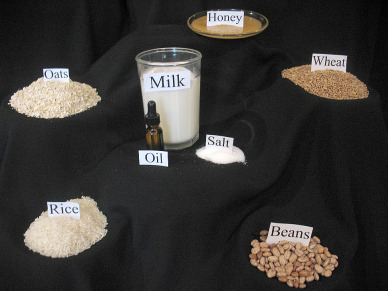
Every month I focus on adding one food item to my preparedness pantry.  The four basic ingredients you need to survive and eat healthy are: Whole grain or legumes, powdered milk, honey (raw and local is best) and Real Salt.

To give you an idea of how much is needed here is a breakdown.  For one person for one month you need:

27 pounds of whole grain (spelt, wheat, quinoa, millet, mung beans,lentils, etc.)

3 pounds of honey

5 pounds of powdered milk

1 pound of Real Salt

Seriously, you can get all nutrients from these foods because you can sprout the grains and have all the vitamins and minerals that fruits and vegetables can give you.  To this list I am adding oil (olive and coconut) as another essential.

Here is some more information you may find helpful from http://www.provident-living-today.com/Bulk-Food-Storage.html

Every storage plan should include bulk food storage items. These basics are needed in everyone’s home storage. Long-term food storage is cheap, and healthy.

These provisions are your survival foods. At the bottom of this page, I’ll show you a simple six-step plan to enhance your bulk food storage. You’ll want to add in the extras; it will make all the difference in your emergency food supply.

This list is a guideline for storing the bare minimum. The picture below shows you how much food you’ll get to eat everyday if you follow this guideline. And this is all you’ll get to eat. That is why I call it survival rations. You will stay alive, but eating probably won’t still be your favorite pastime.

You get 1 cup Wheat, 1 cup Oatmeal, 1/2 cup Rice, 1/3 cup beans, 2 Tbs Oil, 1 glass Milk (2 T powdered milk), 1/3 cup honey, and 2 tsp salt per day. Your daily menu might look something like this:

Breakfast: Hot oatmeal with honey & milk
Lunch: Tortillas and Sprouted Wheat
Dinner: Rice and Beans

LDS- Mormon Food Storage One Day Rations of Bulk Food Storage

With that said, whole grains are still the foundation of your food storage. You can use them in almost everything you cook. These are the dollar stretcher foods. I can feed my family of 12, breakfast every day for a month on one 50-pound bag of oatmeal (costs about $20). Add peaches, milk, and honey for taste, and you have a nutritious breakfast that children love. A one year supply for 1 adult should include: 400 lbs of Grain, 60 lbs of Legumes, 16 lbs of Powdered Milk, 10 Qts of Oil, 60 lbs of Sugar or Honey, and 8 lbs of Salt.The shelf life on these items is included in the chart below.

The chart shows how much it costs for a one-year supply for 1 adult. Adjust it to your individual needs. For example: rice and oats are a lot easier on a child’s digestive system compared to wheat. Store more of these grains for the children.

See Bulk Food Storage Containers to learn how to store your bulk food.

NOTE: You don’t want to start using wheat when that is all you have to eat. It will be hard on your system. Slowly add it to your diet, my family has been eating wheat for years and we don’t have any problems with a whole-wheat diet. Even my babies eat wheat and do great.

Cost of One Year Supply for 1 Adult


This chart was created in 2009. Because the price of food fluctuates, prices might be different than the ones represented in the chart.

LDS - Mormon Bulk Food Storage - One Year Supply Chart

*Not all olive oil lasts this long. Research the shelf life of the oil before buying it.

Wow, look at that. For $224.94 you can get a years supply of bulk food storage if you go with the cheaper sugar and vegetable oil. If you go with the Olive Oil and Honey, it will cost you $410.76. Getting your bulk food storage is a great place to start, and it's cheap!

A Note About Honey: When you are buying honey, make sure you can trust your source to give you pure honey. Cheap honey is actually corn syrup. You get what you pay for. Local Honey is actually the best option to buy if you have the opportunity because the bees are using the same plants and flowers that you encounter everyday. It helps you with your allergies

Picture of a 1 year supply of bulk food storage rations for one adult.
LDS - Mormon bulk food storage picture of one year supply

Adding to the Basics


. . . Bulk Food Storage Expanded

. . . A Six Step Plan

Add some variety to your bulk food storage.

STEP 1:
IF I HAVE Wheat, Powdered Milk, Oil, Salt, Honey or Sugar, Water
I CAN MAKE Popped Wheat ,Steamed Wheat, Sprouted Wheat, Cooked Cracked Wheat, Tortillas

STEP 2
IF I ADD Yeast, Baking Powder, Powdered Eggs, Baking Soda
I CAN MAKE THESE ADDITIONS: Custards, Puddings, Pancakes, Cookies, Waffles, Muffins, English Muffins, German Pancakes, Crepes, Egg Noodles, Pasta, Breads, Biscuits, Crackers, Mayonnaise. A lot more options huh? Keep reading.

STEP 3:
IF I ADD Powdered Butter, Tomatoes, Powdered Cheese
I CAN MAKE THESE ADDITIONS: Meatless Dinners, Meatless Casseroles, Cream Sauces These really add flavor.

STEP 4:
IF I ADD Unflavored Gelatin, Canned Milk, Canned Fruits
I CAN MAKE THESE ADDITIONS: Jello Salads, Whipped Cream Desserts, fruit dishes Mmm, now we have desserts.

STEP 5:
IF I ADD Soup Base, Rice, Legumes (Beans), Beef Broth, Chicken Broth, Alfalfa Seeds, Sesame Seeds
I CAN MAKE THESE ADDITIONS: Hearty Dinner Soups, Chili, Rice Puddings, Refried Beans, Rice Dishes, Fresh Sprouts, Gluten This would really expand your dinner menu in an emergency.

STEP 6:
IF I ADD Canned Meats, Dried Potatoes
I CAN MAKE THESE ADDITIONS: Dinners, Casseroles, Sandwiches. This may not sound like a lot but a meaty flavor can make all the difference.

STEP 7:
EXTRAS: Oats, Raisin, Nuts, Peanut Butter, Granola, Juices, Corn Starch, Soup Mixes, Spices & Flavorings, Lemon Powder or Juice, White Flour, Shortening or Margarine, Cream of Tartar, Junket Rennet Tablet, Molasses, Karo Syrup, etc. These are small things that you could do without but really add variety to your diet.

What do you cook with? Add it to your food storage.

Tuesday, April 23, 2013

Emergency Preparedness: How To Wash Clothes Without A Washing Mahine

I had been thinking what would be the most efficient way to take care of laundry in the case of an emergency.  I am thinking here about months without electricity.  That is what we are really preparing for.  I would say even 1-2 years.  Yes, things aren't looking good around us.  So, when my husband said, " ok, what are our priorities".  Of course after food and water, I thought, "laundry".

I was thinking of getting a washing board from the mexican store.  My daughters would love it and feel like we are reenacting The little House on the Prairie time period.  If the time comes, we pray it would also be a fun earning adventure for the family.  That can be done easily if we are well prepared.  But I had hesitated to get the wash board because it seems like a lot of time consuming work.

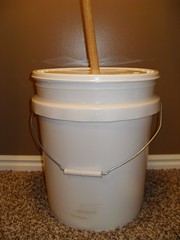
Therefore I am adopting the bucket plunger method.


Supplies Needed:

  • 5-gallon bucket with lid (cut hole in middle of lid for plunger handle to fit through)

  • Toilet plunger (brand-new, clean)

  • Store in bucket:

  • Liquid laundry detergent

  • Stain remover/stain stick

  • Vinegar (add 1/2 cup to rinse water) helps remove soap

  • Rope (for clothes line)

  • Clothes pins


To Use:

  1. Empty contents of bucket.

  2. Place water, small amount of detergent, and clothes in bucket.

  3. Move plunger up and down for a few minutes or until clothes are clean.

  4. Remove soapy clothes and ring them out.

  5. Dump out soapy water (on your garden or lawn.)

  6. Place soapy clothes in bucket and fill with clear, clean water.

  7. Add 1/2 cup vinegar to rinse water.

  8. Move plunger up and down to rinse clothing.

  9. Wring out clothes and hang to dry.


Conserve water - use rinse water for next load of laundry.

NOTE: You could store two 5-gallon buckets, stack one inside of the other. Use one bucket for the soapy water and the other for the rinse water. You may be able to wash and rinse a couple of batches of clothes without changing the soapy water depending on how dirty the clothes are.

As found on: http://pgward.org

Friday, April 19, 2013

Family Fire Preparedness! How To Start A Fire

With all the chaos and uncertainty going on in our country.  It is now so essential that we prepare our homes and family for any emergency.  A wise woman would be prepared and "smile at the days to come".  At our home, we have taken aside one day a week to plan, brainstorm, learn and add something more to our emergency preparedness.  Our hearts go ut for the families who have lost loved ones and the thousands who were stranded as a result.  What if that happened here?  Are we ready?

So, this weekend, we are spending sometime starting a fire.  What child doesn't like that.  Be careful when you instruct this to your children that you mention strictly and seriously the boundaries about starting a fire.  Along the way give a powerful lesson about the tongue being like a small fire that can devour a forest.

Hopefully, in an emergency we are loaded with matches, not wet, or a lighter. We also carry with us in our emergency back pack a flint and steel.  Dad, has taught us how to use it.  Here are other ways, just in case, we are trying.

 SCIENCE FRICTION: FIVE FIRE-MAKING METHODS from www.boyslife.com

Most experienced Scouts know how to start a fire without a lighter or matches. Do you? When lost in the wilderness, being able to make a fire can be a lifesaver, both to signal your location and to use for warmth and cooking. Here are five ways to start a small fire in an emergency.

Before you attempt to start a fire, you must have tinder and kindling materials available and understand how to use them. Many people fail to start fires even when they have good matches! A fire is built in stages. You first need to cause a small spark to ignite your tinder, small dry items like tissue paper, dead grass, twigs, leaves, lint or even paper money. Blow on the tinder carefully, so it stays lit and grows into a larger fire. Then carefully add kindling—sticks, branches or thick paper—to keep the fire going. Once the kindling is burning, you can add larger logs or other fuel.

fire_plow.jpgMETHOD 1: MAKE A FIRE PLOW

What You’ll Need:

• Hard stick with a blunted tip
• Flat piece of wood
• Tinder
• Kindling
• Knife or sharp-edged rock

What You’ll Do:

Using the knife or sharp rock, scratch a straight indentation in the center of the flat piece of wood about the same width as the blunt stick. Arrange the tinder so air can easily circulate, and set it at the foot of the piece of wood. Then, in a kneeling position, hold the flat piece of wood between your knees at an angle and move the stick rapidly back and forth in the indentation until friction ignites the fibers of tinder at the base. Mix in more tinder material and fan the smoke until a small fire starts. To keep the fire going, carefully add kindling material.

spark_generation.jpgMETHOD 2: SPARK GENERATION

What You’ll Need:

• Knife or steel
• Sharp-edged rocks
• Tinder
• Kindling

What You’ll Do:

Use this method with very dry tinder material in a secluded, non-windy environment. Depending on what items are available, strike two rocks together to create a small spark close to tinder material. If a spark catches the tinder, you will see a glow. Carefully blow on it so it turns into a small flame. Fan the material until it starts to smoke and burn. If you have an item made of steel, like a knife, scrape it against various rocks until a spark appears.

fire_lens.jpgMETHOD 3: MAKE FIRE WITH A LENS

If it’s bright and sunny, it’s possible to use a lens to focus the heat of the sun on tinder material and start a fire.

What You’ll Need:

• Lens (from eyeglasses—reading glasses only, a magnifying glass, binoculars or telescope)
• Tinder
• Kindling

What You’ll Do:

With plenty of dry tinder available, aim the lens at it until it starts to smoke. Have other tinder material available to keep the fire going. When the tinder begins to burn, add kindling material.

fire_reflector.jpgMETHOD 4: MAKE FIRE WITH A REFLECTOR

What You’ll Need:

• A reflector from a flashlight or headlight
• Tinder
• Kindling

What You’ll Do:

Position the tinder material in or in front of the reflector for maximum absorption of the sun’s rays. With plenty of sunshine available overhead, and a little luck, the tinder material will get hot enough to catch fire.

fire_water.jpgMETHOD 5: MAKE FIRE WITH WATER

When positioned properly, water can act as a lens and focus enough of the sun’s heat to ignite tinder.

What You’ll Need:

• Water
• Jar or bottle
• Tinder
• Kindling

What You’ll Do:

Pour about two teaspoons of water into a clear jar or bottle. Tilt the jar so the water rests in a corner at the bottom and position it so the sun’s rays shine through the water onto the tinder and ignite it.